“Blackberry” shows up as a common tasting note in wines I enjoy: zinfandel, Rhone blends, pinot noir, and others. Ditto for “blueberry”, “raspberry”, “cherry” and lots of other berry smells and flavors. Now that I am paying more attention to what I smell and taste, I want to dig into what all those tasting notes mean to me, and re-invigorate them in my memory.
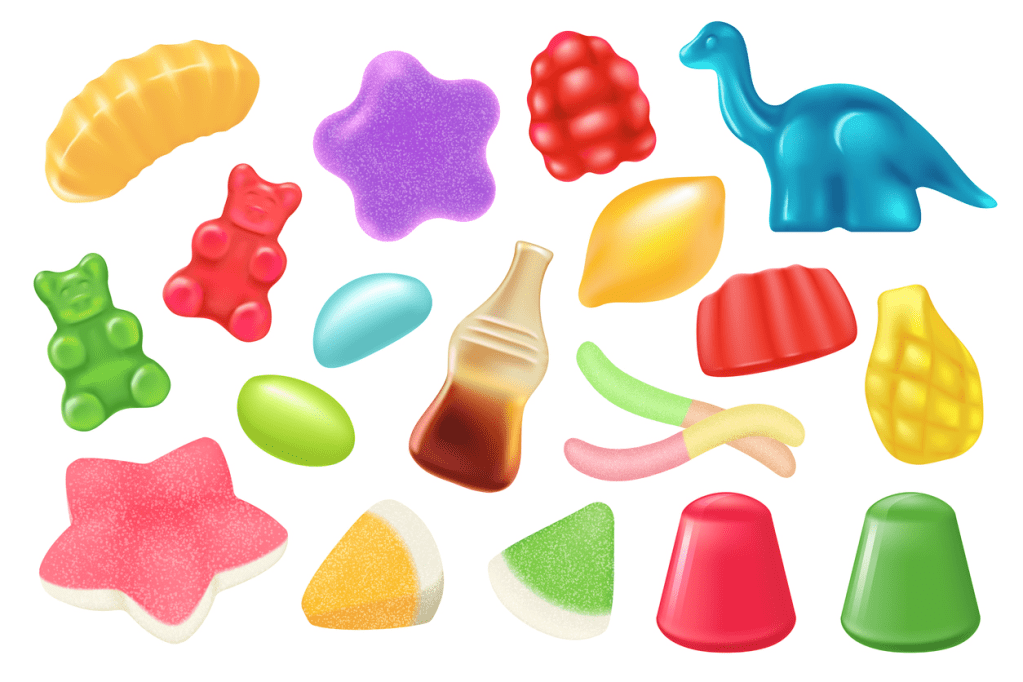
Part of doing that is unburdening my memory of a lot of “fake” flavors and smells. Ever had a “green apple” Jolly Rancher? What about a “grape” gummy bear? Did either of those actually taste like any apple or grape you have ever eaten? What about “orange” Crush? “Strawberry” Pixie Sticks? It is not just flavors that are fake–“green apple” shampoo smells no more like an apple than those Jolly Ranchers taste like one. It feels like I have in my memory several different versions of flavors for nominally the same things, and the most deeply imprinted are the fake ones.
It is not surprising that fake flavors are so strongly imprinted–they were literally designed to do that. Fake flavors are intended to simplify a real taste to some essential set of characteristics, then turn the “volume” of those flavors up to eleven. The literature on fake flavors includes a robust “natural vs. artificial” debate, stemming from the fact that many flavors I would call fake are in truth either distillates of a truly natural flavors, or synthetic substances engineered to be, chemically speaking, identical to some of the flavors in real foods. Take fake “grape” flavor, for example: ironically, it was discovered that the fake flavoring was chemically identical to parts of the flavor spectrum of real concord grapes AFTER the fake flavors were already in wide use in candy and soda. Literally, the fake flavor was accidentally engineered to be just like some of the real flavor characteristics. Equally ironic is fake “butter” flavor, which was developed in the Netherlands in the 1920’s, primarily to industrialize the flavoring in the stuff like popcorn butter in theatres, and other such applications: after the “butter” flavor was in wide use, dairies started putting the fake flavor into real butter, in order to make it taste more “buttery”.
On the other side of that equation, the real, natural stuff seems to be getting ever more bland and tasteless. Berries are a great example. I know that it is possible to get truly wonderful berries at premium prices (e.g. farmer’s markets). But if you rely mostly on the supermarket like I do, other than a couple of weeks in the peak of the local growing season, you are likely to get a very weakly-flavored version. So as the fake flavors are becoming more shockingly bright, sweet, and unforgettable, the real stuff has been getting less and less flavorful and recognizable.
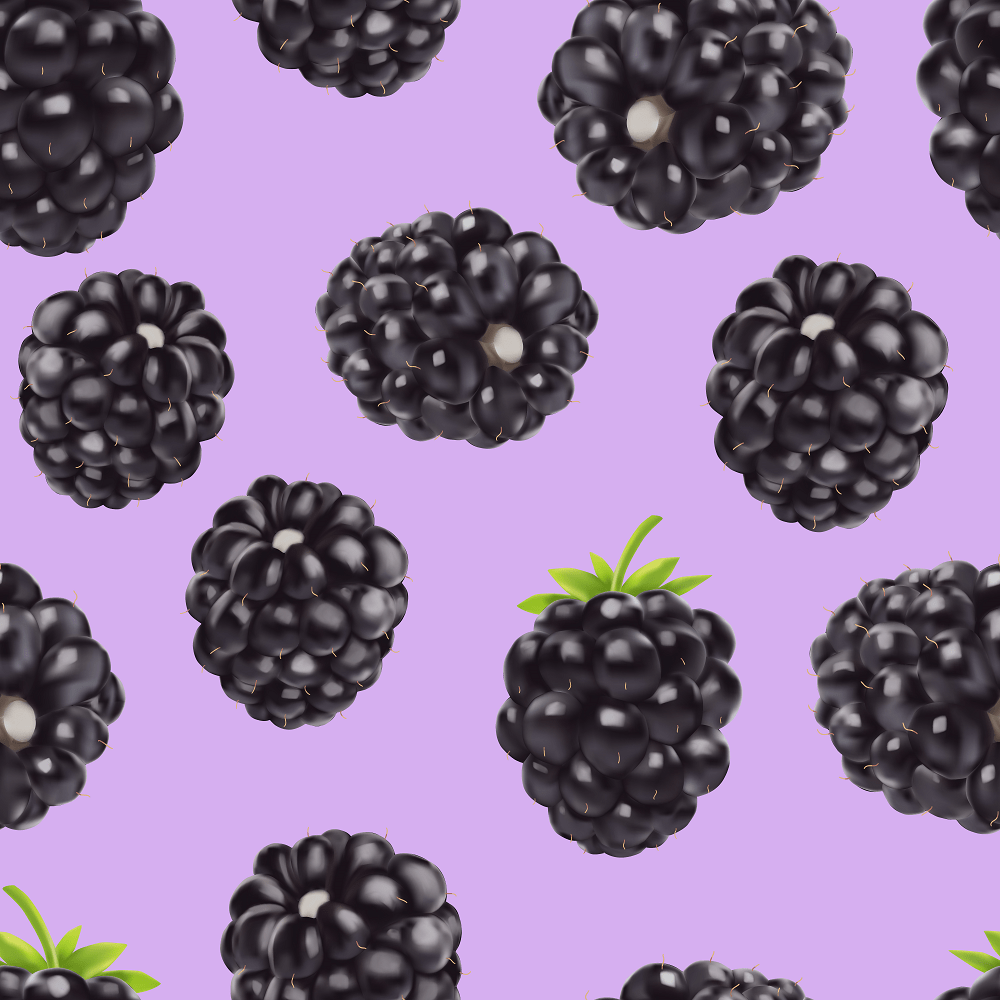
Which brings me to the question posed in this post. When someone sniffing a wine says “blackberry”, I am fairly sure it does not mean the actual smell of fresh, ripe, whole blackberries–in my experience, those have little to no detectable smell. I tried a series of manipulations to whole, fresh, blackberries, and until I mashed them up, put a touch of sugar on them, and heated them, I could not get any odor from them that was identifiable as blackberry to me. Blueberries, same thing. (Raspberries, FYI, were a VERY potent smell, even from fresh and whole berries). So what does it mean to say you get “blackberry” in a sniff of wine? I have learned that we connect that smell to an embedded memory of blackberries, stored away in our memory banks and triggered by that sniff. For me, I hope that memory is of picking and eating wild blackberries along Oak Creek Canyon during the hot summers in my childhood home (Sedona, AZ). Or cooking up sugared, fresh blackberries to put on waffles for a family breakfast here in Sacramento. I sure hope it is not one of those Hostess® “Blackberry” Pies…


 Talented Amateur