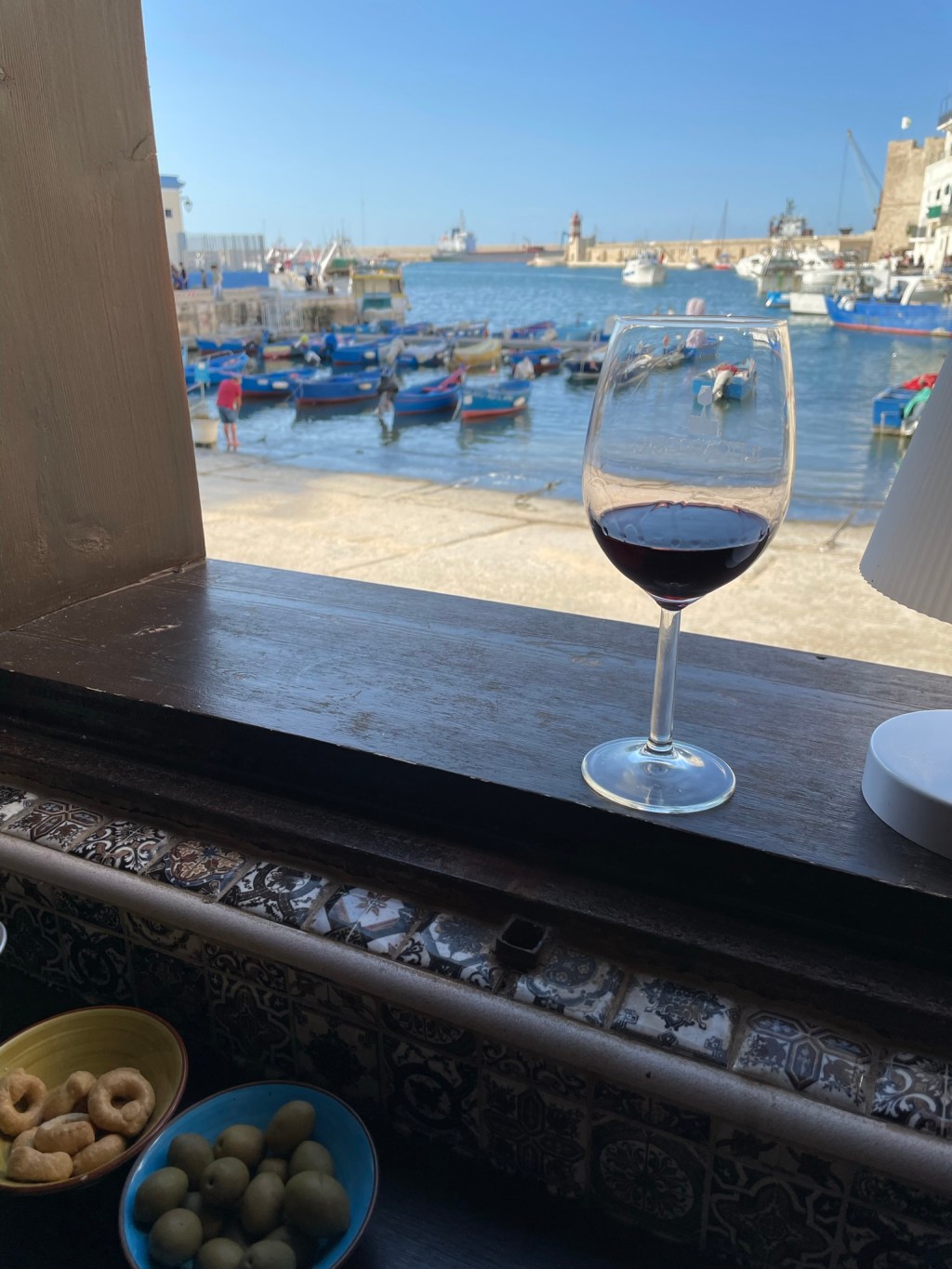
While in Europe, and especially in Italy and Croatia, I tried to explore some of the regional wines common there, but rarely seen here in the United States. Part 1 of this post will provide my experience finding and trying out several of these wines in Venice, Slovenia, Croatia and Puglia. Most of these wines were totally new to me, but are ancient, by US standards, in those regions.
Part 2 of this post will be a bit more complicated, and will take time to put together. I am acquiring several versions of these regional wines I tried in Europe, as well as domestically produced versions of those wines. Part 2 will involve tasting of those relatively rare wines, but without the aura of a European vacation to influence my assessment of them. Let me know in comments if you have an interest in trying them with me–would not be a formal event, more spontaneous.
Friulano
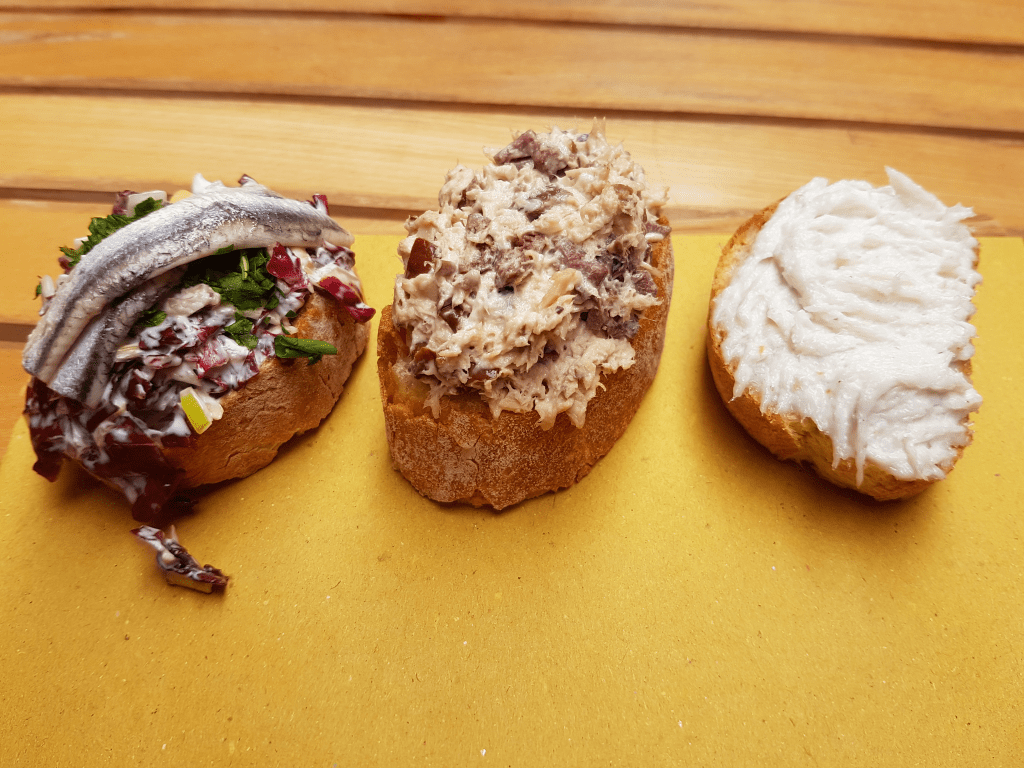
I tried this wine for the very first time in Venice, with a plate of cicchetti in front of me. Cicchetti are essentially bite-sized appetizers served in bars in Venice, especially, and is a part of the ombra (shadow, in English) tradition there: having a snack along with a glass of wine, usually in the afternoon as the shadows lengthen. Ms. Talented Amateur and I dove into this tradition whole-heartedly, and quickly found our favorite cicchetti bar. The most traditional wine accompaniment for cicchetti is prosecco, but friulano was my preference. The friulanos I tried were very bright and fruity, somewhat acidic (which cut through some of the richness and oiliness of the cicchetti), and dry. Peach, melon, and pineapple were common aromas in the ones I tried. The wine is similar in some ways to sauvignon blanc, but in general, is less aromatic–gentler than most sauvignon blancs.
Malvasia / Malvizija
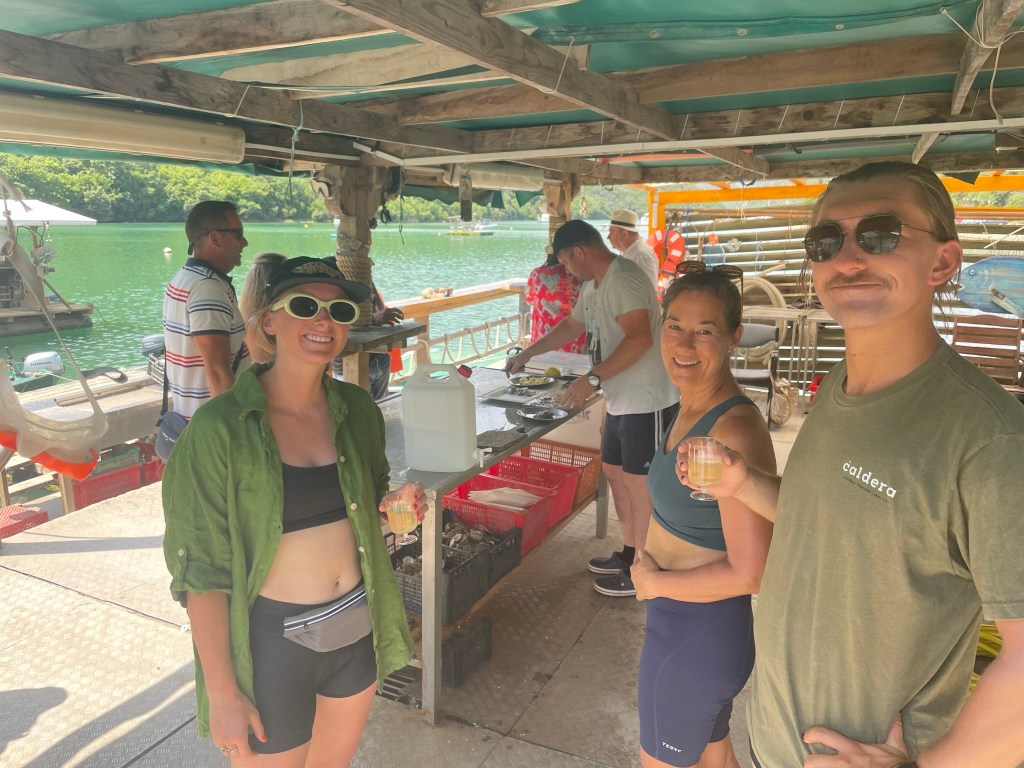
Malvasia is the Italian name for this grape, and malvazija the Croatian name for the genetically indistinguishable grape. Notice I avoid saying “same grape”–twice in Croatia, I got a cold look from a bartender after asking if they were the same. And, admittedly, random genetic mutations occur in grapes and result in differentiation over time, even among grapes that start out genetically identical. I ended by giving the Croats the benefit of the doubt. In any case, the wines I tried were similar. I tried Malvasia with cicchetti in Venice, but the wine is lower in acidity than friulano, and did not stand up to the oilier cicchetti as well. Malvasia/malvazija is also fruity, but not as much as friulano, and they also had a very distinct floral aroma. I had several glasses with fresh and raw seafood along the Croatian coast, and it is a great match.
Verdeca
Verdeca is impossible to avoid in Puglia, but almost impossible to find everywhere else. It has a couple of characteristics in common with sauvignon blanc: higher acidity, and light body. Verdeca has some of the fruit common to sauvignon blanc, like citrus and even green apple, but it is not as strongly aromatic as sauvignon blanc. It has a lighter touch and milder flavor profile. The wine finishes very crisp and clean. The verdeca’s I tried all had what I would call “minerality”. Winemaker Giovanni Aiello claims the minerality springs from the grapes sending roots deep into the Puglian soils, and finding old seabed or estuaries. I have no idea of the geologic or viticultural accuracy of that claim, but it rings true on the palate. I found myself wishing I had a bottle of verdeca to accompany some of the raw shellfish I had in Croatia.
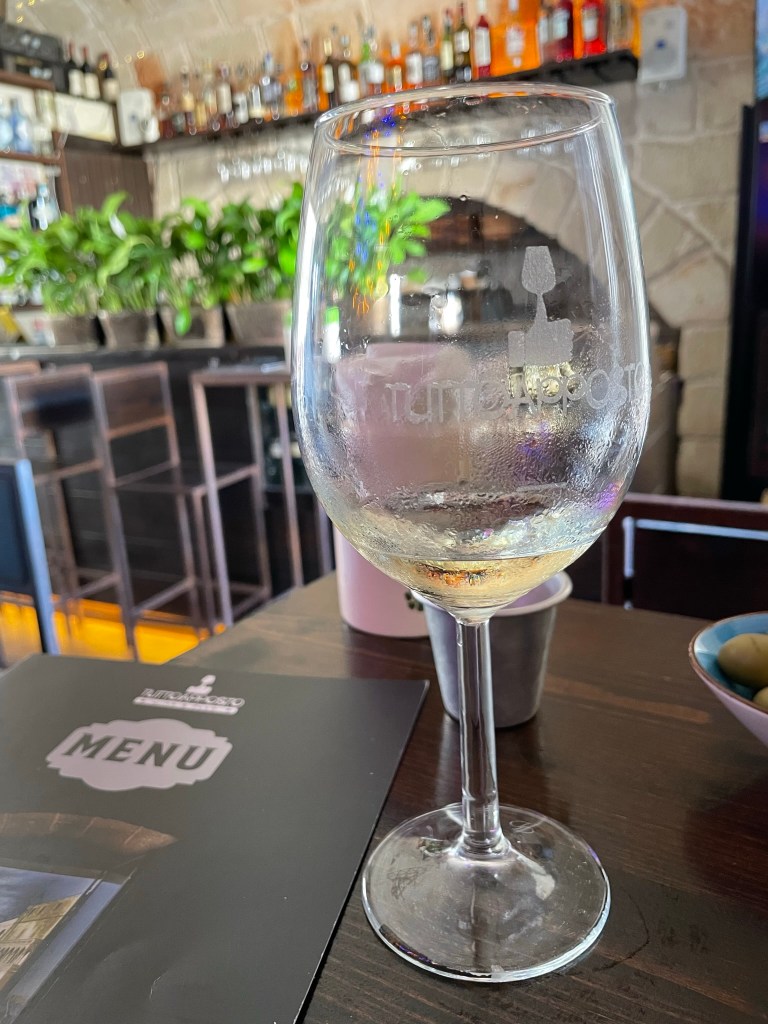
Negroamaro
Negroamaro, like verdeca, is common in Puglia, but not much elsewhere. If you really like big, bold, slightly jammy zinfandels, this may be an ideal wine for you. It is very fruit forward, with ripe plum and blackberry aromas. I also got a lot of herbal and savory aromas from the ones I tried, which distinguishes it from zinfandel. The wine also has a lot in common with ripasso Valpolicella wines, with some raisin-y or prune-y aromas and flavors. I had a couple of these in wine bars in Puglia, but given the availability of really great fresh seafood in Puglia, I never had it with a meal. It could stand up to a lot of heavy red meat dishes, or robust, tomato-y pasta dishes.


 Talented Amateur